BIOGRAPHY
Pianist • Composer • Singer-Songwriter • Performer • Arranger
Bachot Muna grew up in Cameroon, close to the jungle, in a world where music didn’t need an invitation.
It was there — in the rhythms of everyday life, in the voices around him, in the songs his mother used to sing.
Bachot started singing with her at the age of five.
Music came naturally.
Instruments were another story.
With no instrument of his own, he made them from wood and whatever he could find. The guitar became his first real instrument.
Then the keyboard caught his ear.
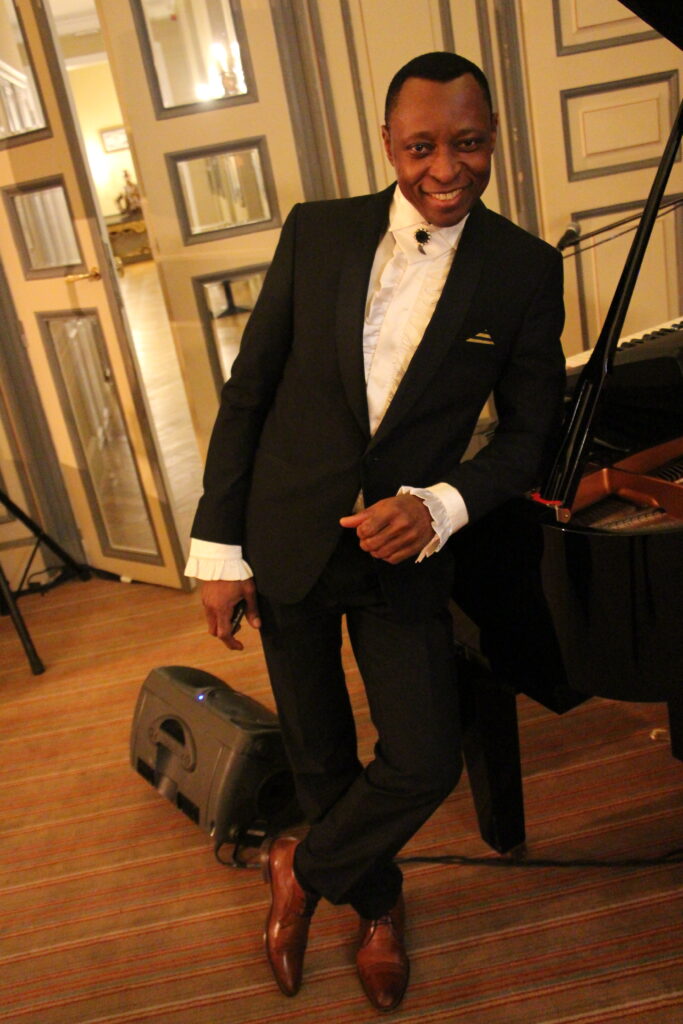
Still at school, Bachot was already singing. A few years later, he made a decision:
Music would be his life.
He wrote his first song, “Essukud’am” — “My Studies,” and formed the band Man-Walk with friends.
That’s when he began playing organ.
Getting access to a keyboard was another challenge.
So Bachot drew one on paper.
He memorized notes and chords, learned melodies by ear and practiced the movements of his fingers on the keys he had drawn.
When he finally got his hands on a real instrument, he kept going the same way.
Listening. Trying. Playing. Learning.
Bachot taught himself piano.
No formal path.
Just curiosity, determination — and music.
Across Africa
Then music took him beyond Cameroon.
In Nigeria, Bachot led a 16-piece orchestra and performed with the group at the Sokoto Fishing Festival.
Political unrest forced him to leave.
The road continued:
Benin. Togo. Niger. Burkina Faso. Côte d’Ivoire.
New countries. New rhythms. New musicians. New audiences.
Different cultures. Different languages.
Music became the connection.
And Bachot learned to read a room.
Some audiences want energy. Some want melody. Others need space.
At the same time, his musical world kept expanding.
Makossa. Mangambeu. Soul. Funk. Pop. Latin music. Jazz.
Africa stayed at the center.
Everything else could come in.
The Cameroonian press would later pick up on that same mix — African rhythms meeting sounds and influences from elsewhere.
Bachot composed. Arranged. Produced.
Then he taught himself sound engineering.
To play the music.
Build it.
And shape the sound.
Africa Sa
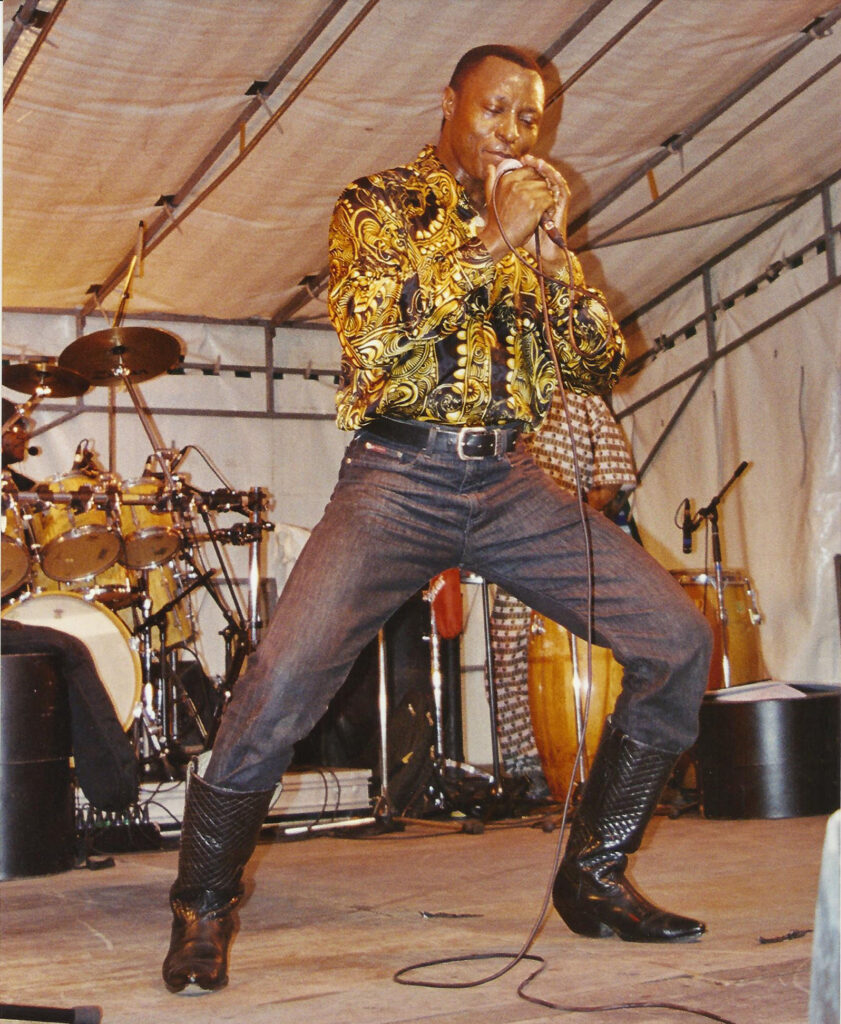
In 1998, Bachot released his fourth album, Africa Sa — “Dance Africa.”
Among its tracks was “Loh Yonme,” which would bring Bachot major recognition back home.
In 1999, the song earned him two CRTV awards in Cameroon:
Best Singer.
Best Video Clip.
The Cameroonian press was already looking beyond the singer — writing about Bachot as a pianist, arranger and producer.
Brussels
Bachot had settled in Brussels in 1995.
New country. New audiences. New sounds.
But Africa travelled with him.
African rhythms met soul. Funk met jazz. Latin colours entered the mix.
No borders. Just music.
Albums including Ashikogo and Donne ton Dada followed.
Bachot was becoming involved in every side of the music:
Writing. Arranging. Producing. Recording. Performing. Promoting.
The Cameroonian press caught that independent streak too — an artist taking responsibility not only for creating the music, but for bringing it to an audience.
The stages grew too.
Bachot performed several times at Les Francofolies de Spa in Belgium.
In 2003, he was invited to France as a headliner for the 10th anniversary of L’Été sous les Charmes, in Dreux, north of Paris.
And jazz kept pulling him closer.
Not as a category.
As freedom.
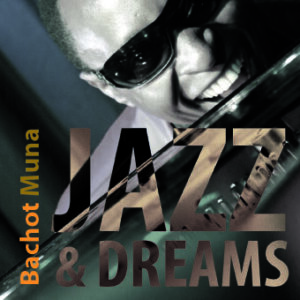
Jazz & Dreams
In 2012, Bachot changed the setting.
One pianist. One piano. Space.
Jazz & Dreams.
A solo-piano album.
Jazz for the freedom. Dreams for the emotion and imagination.
The piano could breathe.
So could the melody.
And sometimes, the silence said enough.
Then came Montreal.
Montreal
In 2013, Bachot performed at The Montreal International Jazz Festival, at Théâtre Maisonneuve, opening for legendary Cuban pianist and seven-time GRAMMY Award winner Chucho Valdés.
Valdés was curious.
During Bachot’s performance, he left his dressing room and listened from behind the curtain.
When Bachot came offstage, Chucho Valdés was waiting.
“I listened to your show. It was impressive. Great job,” he said to Bachot.
And the press was listening too.
Canadian jazz journalist and musician Richard Thérien, writing about Jazz & Dreams in connection with the festival, placed Bachot between Mal Waldron and the African worlds of Tchangodei and Abdullah Ibrahim.
Then he went inside the music.
On “Groovy Blues,” it was the “hypnotic bass line” that caught Thérien’s ear, reminding him of the pianist Mal Waldron.
On “I’m Gonna Rock Your Night,” Thérien heard another side of Bachot’s playing — stride, ragtime and boogie-woogie, all carried by what he described as an “African style.”
Different colours.
Same piano. Same voice.
And for anyone coming to hear Bachot in Montreal, Thérien had one piece of advice: don’t arrive late — or risk missing one of his discoveries of the 2013 festival.
His verdict:
“A pianist to discover.”
Dionizy Piątkowski, a Polish jazz critic and founder of Era Jazzu, also heard something distinctive in Jazz & Dreams.
He heard jazz feeling, expressive improvisation and the African character running through Bachot’s playing.
He drew attention to “Globe Trotter Blues,” “Madness Swing,” “Groovy Blues” and “Zapping Swing.”
Then came an interesting connection.
Piątkowski ended his review with a reference to Dollar Brand — Abdullah Ibrahim.
Richard Thérien had heard that connection too.
Different critics. Different countries. The same name.
Back To The Roots
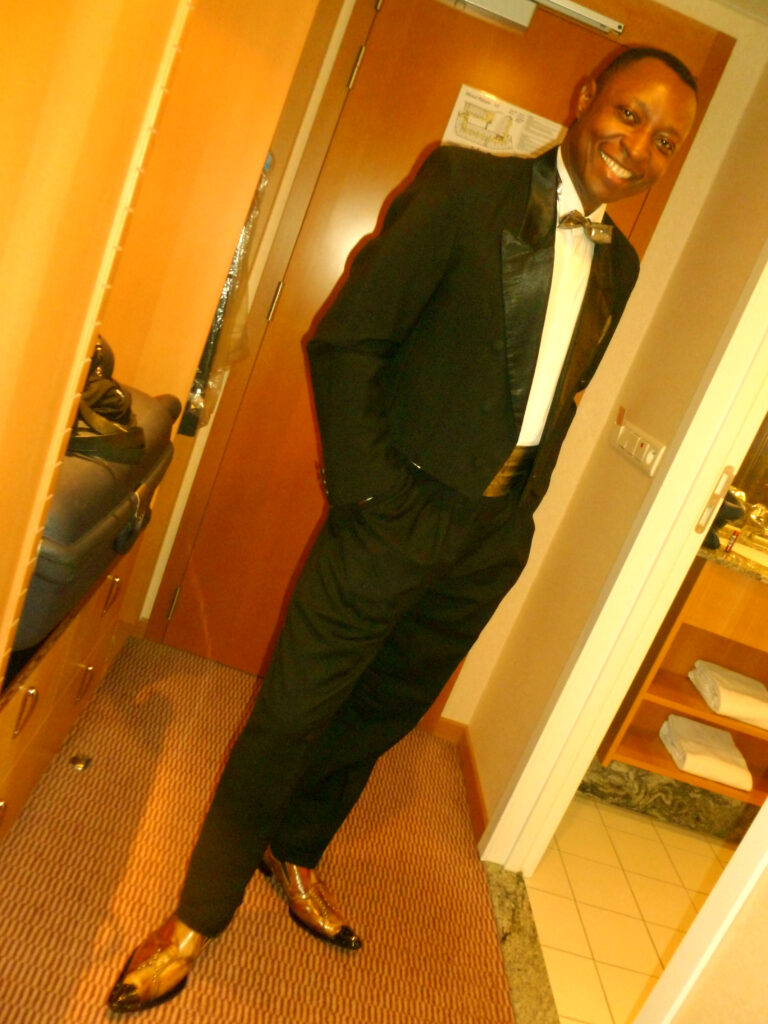
After solo piano, Bachot wanted another kind of energy.
Musicians. Rhythm. Africa. Brazil. Jazz. Groove.
The idea became Back To The Roots.
Bachot knew he wanted Brazilian percussion.
His friend André Bontems, owner of Avalon Studio in Brussels, showed him a performance by Zé Luis Nascimento.
Bachot watched.
“This is my man.”
Recording began at Bopcity Studio in Paris.
Bachot recorded piano and vocals. Nascimento brought the percussion. Ray Dikoumé joined the sessions.
Then the music travelled:
Paris. Tallinn. Brussels. New York.
At Green Room Studio in Tallinn, bassist Kaarel Liive, guitarist Paul Daniel and trombonist Eduard Akulin joined the project.
Back in Brussels, Dunia Molina added her voice.
In New York, Mike Makowsky handled the mixing and mastering — with credits including Amy Winehouse, Mariah Carey, Gorillaz, Usher, Maxwell, John Legend, Kanye West, Kid Cudi, Kelis and Nas, among others.
Different musicians. Different cities.
One sound.
Released in 2014, Back To The Roots brought African and Brazilian grooves together with jazz and soul.
Makowsky praised Bachot’s “vibe and groove” and called him an “amazing talent.”
During the mix, the music finally started sounding the way Bachot had imagined it.
Bachot smiled.
Makowsky looked at him.
“I feel that I am in the studio with Miles Davis,” he said to Bachot.
Los Angeles
The music kept travelling.
In January 2016, “Samba Makossa” won an Akademia Music Award in Los Angeles for Best Latin Song.
In 2017, another followed:
“A Muto” — Best Afro Soul.
Africa. Latin groove. Soul. Jazz.
Different names.
Same musical world.
Around the World
Then Bachot took it back to the essentials.
Piano. Voice. Audience.
As a solo pianist, singer and entertainer, he performed internationally in Hong Kong, Shenzhen, Canada, Germany, Switzerland and beyond.
Performances and residencies included Hotel Métropole Brussels, Hotel Amigo Brussels, Brussels Casino, Brenners Park-Hotel & Spa in Baden-Baden, Hessischer Hof in Frankfurt, Breidenbacher Hof in Düsseldorf, Maritim Hotel Travemünde, Maritim Hotel Ulm and Hotel Eden Roc in Ascona.
Luxury hotels. Casinos. Festivals. Concerts hall.
Different countries. Different rooms. Different audiences.
No two nights the same.
Bachot learned to feel the room — and let the music follow.
From Stage to Screen
In 2021, another setting.
Film.
Bachot wrote “A Day’s Good Night” for the American film In Blackest Night Out.
Different screen.
Same language:
Music. Emotion. Story.
Jazz & Dreams Today
Today, Jazz & Dreams carries all of that experience to the piano.
Africa is still there.
So are soul, blues, jazz, funk and the rhythms gathered along the road.
Jazz & Dreams brings together melody, improvisation, rhythm and emotion.
Each performance is shaped by the moment and by the audience.
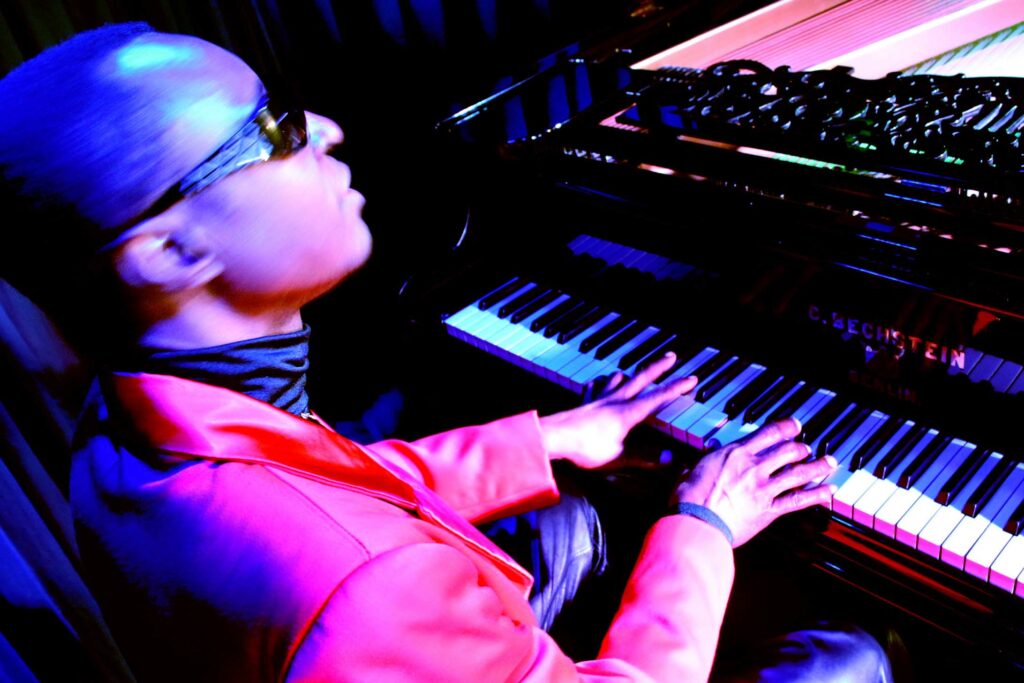
His signature is simple:
Feel first. Then play.
It began with a child singing beside his mother in Cameroon.
With instruments made from wood.
With a keyboard drawn on paper.
The road reached The Montreal International Jazz Festival — and kept going.
Today, Bachot still comes to the piano with the same curiosity:
Where can the music take us tonight?
JAZZ & DREAMS
Every audience has a story.
Bachot Muna gives it a soundtrack.